Wondering what Los Altos actually feels like once the moving boxes are gone and real life begins? That is often the biggest question behind any home search, especially if you are trying to picture your routines, your weekends, and how a neighborhood will support daily life. In Los Altos, the experience is less about fast-paced city living and more about quiet residential streets, compact shopping hubs, parks, and a steady community rhythm. Let’s take a closer look.
Los Altos Feels Residential First
Los Altos is a seven-square-mile city with tree-lined streets and what the city describes as a small village atmosphere. Instead of one large urban core, daily life is shaped by a series of smaller retail districts surrounded by established residential neighborhoods.
That layout matters when you live here. Your day is more likely to revolve around home, nearby errands, local parks, and short trips into town rather than constant traffic between dense commercial zones. The overall feel is low-rise, calm, and distinctly residential.
City planning materials also point to a strong preference for preserving Los Altos’ quiet, serene character and single-family neighborhoods. A high owner-occupancy rate supports that sense of stability, which many buyers notice right away when they spend time in the area.
Daily Errands Happen in Small Town Nodes
One of the most defining parts of day-to-day living in Los Altos is how errands are organized. The city identifies seven shopping districts: Downtown Los Altos, Loyola Corners, Rancho Shopping Center, Village Court, Woodland Plaza, Foothill Crossing, and El Camino Real.
This means you do not depend on one giant retail destination for everything. Instead, life tends to unfold through smaller, practical stops that feel woven into the community. That can make everyday routines feel simpler and more local.
Downtown Los Altos Sets the Tone
Downtown Los Altos is the most walkable and social retail area in the city. According to city materials, it is known for boutiques, cafés, dinner spots, and gatherings, with Main Street and State Street serving as the core retail streets.
For many residents, downtown becomes the go-to place for an easy coffee, a casual dinner, or a quick stroll that turns into running a few errands. It is active without feeling overwhelming, which is a big part of its appeal.
Outdoor dining is also part of the experience. The city approved a permanent parklet program in 2023, effective January 1, 2024, to support restaurant seating in the downtown area.
Parking Is Easier Than You Might Expect
Small downtown districts can be charming, but they are not always convenient. Los Altos stands out here because the city says Downtown Los Altos has about 1,400 free public parking spaces.
That helps shape daily life in a practical way. You can park for a quick stop, meet someone for lunch, or spend a little more time walking around without the friction that often comes with busier retail areas.
Community Events Are Part of the Rhythm
Los Altos is not just a place where people sleep between workdays. Downtown also functions as a community gathering point, with city planning documents describing events like Thursday farmers’ markets, outdoor movie nights on Main Street, the Arts and Wine Festival, the Kiwanis Pet Parade, and the Festival of Lights Parade.
These kinds of events help create a sense of rhythm across the year. Even if you do not attend every gathering, it adds to the feeling that the town has a shared calendar and a strong local identity.
For buyers moving from a denser city or a more spread-out suburb, this can be one of the most noticeable differences. Los Altos tends to feel connected without feeling crowded.
Parks Shape Weekend Life
If you want to understand how Los Altos feels on a Saturday morning or a Sunday afternoon, look at the park system. Official city listings include Grant Park, Shoup Park, Heritage Oaks Park, Rosita Park, Hillview Park, Redwood Grove, McKenzie Park, and Marymeade Park.
These are not just decorative green spaces. The city’s park inventory includes playgrounds, picnic areas, soccer fields, baseball fields, tennis courts, pickleball courts, dog parks, bocce ball courts, fitness equipment, and public art.
That range of amenities supports a very practical lifestyle. Depending on your stage of life, weekends may naturally fill with playtime at the park, a tennis game, a dog walk, youth sports, or a relaxed afternoon outdoors.
Redwood Grove Offers a Different Pace
Redwood Grove stands out because it offers a more natural, tucked-away experience. The city describes it as a 6.12-acre nature preserve with a boardwalk along Adobe Creek, a hillside trail, and no motor vehicles allowed.
That makes it one of those places that can reset your pace quickly. If your week is full of work, commuting, and school schedules, having a quiet place like that nearby can become part of what makes the town feel livable.
The Community Center and Libraries Support Daily Routines
Los Altos also has strong public amenities that shape everyday life beyond shopping and parks. The Los Altos Community Center, which opened in October 2021, includes indoor and outdoor gathering space, a playground, bocce ball courts, and program rooms for seniors, teens, and kindergarten preparation.
That gives the city another daily-life anchor. It is a place designed for activity, connection, and regular use, not just occasional visits.
The city also has two library locations: the Los Altos Library and the Woodland Branch. The main library offers free Wi-Fi, meeting rooms, and dedicated children’s and teen spaces, while the Woodland branch adds events and access to online collections.
Taken together, these spaces suggest a weekend and after-school rhythm built around parks, the library, community programs, and occasional downtown events. For many households, that is the real texture of living here.
Commuting Is Often a Mix of Car and Transit
Los Altos sits in the heart of Silicon Valley and about 40 miles south of San Francisco, according to the city. That location keeps you connected to major employment centers while still living in a primarily residential setting.
In daily life, commuting here is best understood as a hybrid model. Many trips are likely to be car-based, while transit connections are available nearby for selected routes and regional travel.
The city’s active transportation framework says transit access in Los Altos is provided by VTA and Caltrain. VTA Route 40 serves San Antonio and Almond and continues toward Mountain View Transit Center.
For many buyers, that balance is part of the appeal. You are in Silicon Valley’s orbit, but your home base can still feel separate from the denser job centers around it.
Homes Feel Established, Not Master-Planned
The housing stock plays a major role in how Los Altos feels day to day. A 2020 housing analysis shows that 81.0% of housing units were single-family detached homes, with another 4.8% classified as single-family attached homes.
That means roughly 85.8% of the city’s housing is single-family in character. In practical terms, that supports the established, residential environment many people associate with Los Altos.
The housing stock is also mature. The largest share of current homes was built between 1940 and 1959, and only 5.6% of the current housing stock was built since 2010.
What That Means on the Ground
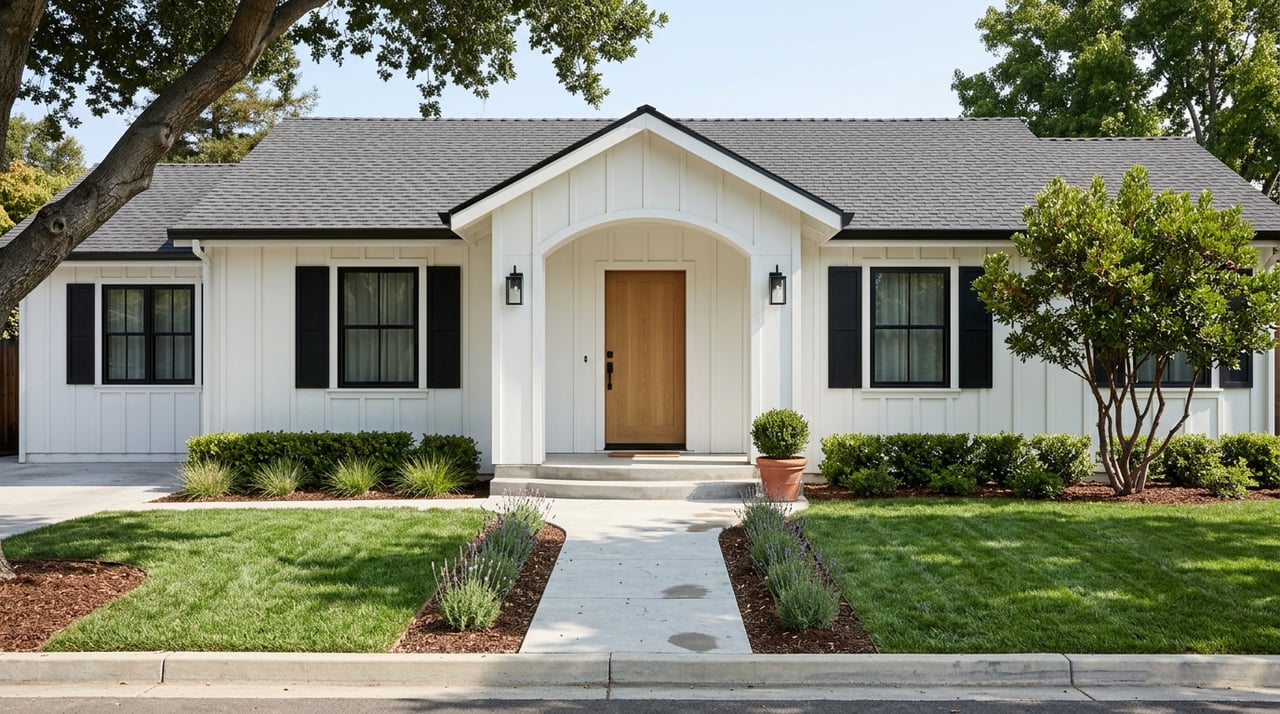
When you drive or walk through Los Altos, you are more likely to experience established neighborhoods, mature landscaping, and a consistent residential pattern than a condo-heavy or apartment-dominated setting. City materials for the Single-Family Residential district also state a goal of maintaining the existing positive physical qualities and character of residential neighborhoods.
Accessory dwelling units are part of the local housing picture as well. The city allows ADUs and junior ADUs on lots with single-family or multi-family homes, and it notes that detached ADU plans can be pre-approved for use in Los Altos.
For some homeowners, that adds flexibility for extended household needs, guest space, or long-term planning. It is one more detail that helps explain how Los Altos can feel both established and adaptable.
What Living in Los Altos Really Comes Down To
Day-to-day living in Los Altos tends to feel steady, residential, and community-oriented. You have walkable pockets for dining and errands, a strong park system, useful public amenities, and neighborhoods that feel rooted rather than newly built.
That does not mean every part of town feels identical, and your experience will always depend on the specific block, home, and daily routine you choose. But at a high level, Los Altos offers a quieter, more grounded version of Silicon Valley living.
If you are trying to decide whether Los Altos fits your lifestyle, it helps to look beyond the map and beyond the listing photos. The real question is how you want your ordinary Tuesday, your Saturday morning, and your evening walk to feel. If you want help thinking through that at the neighborhood and property level, Suzanne O'brien can help you make sense of what living here really looks like.
FAQs
What does day-to-day life in Los Altos feel like?
- Los Altos generally feels quiet, residential, and low-rise, with daily life centered around established neighborhoods, local shopping districts, parks, and community amenities.
Is Downtown Los Altos walkable for everyday errands?
- Yes. Downtown Los Altos is the city’s most walkable retail area, with boutiques, cafés, dining, and gathering spaces centered around Main Street and State Street.
Are there enough parks and outdoor spaces in Los Altos?
- Yes. The city has multiple parks and recreation spaces, including Grant Park, Shoup Park, Heritage Oaks Park, Hillview Park, Redwood Grove, and others with amenities like playgrounds, sports courts, dog parks, and picnic areas.
How do most people get around Los Altos?
- Daily travel is often a mix of car-based trips and selected transit use, with access to VTA bus service and nearby Caltrain connections.
What types of homes are most common in Los Altos?
- Los Altos is primarily a single-family housing market, with city housing data showing that most homes are single-family detached or attached rather than multifamily units.
Does Los Altos feel more urban or more suburban?
- Los Altos generally feels more suburban and residential, with small shopping nodes and a village-like atmosphere rather than a dense urban center.