Older Palo Alto homes can be incredibly appealing, but they can also raise a big question before you sell: what should you actually renovate, and what should you leave alone? In a market where buyers move quickly but still scrutinize condition, the wrong project can waste time and money, while the right one can reduce stress and strengthen your sale. If you are preparing an older home for the market, a smart plan starts with repairs, timing, and local permit realities, not guesswork. Let’s dive in.
Why renovation strategy matters in Palo Alto
Palo Alto remains a high-price, fast-moving market, but buyers are not overlooking obvious condition issues. March 2026 market data showed a median sale price of $3.535 million, about 10 days on market, and roughly three offers per home on average. At the same time, late-March housing data showed 75 active listings, a median sale-to-list ratio of 1.035, and 63.6% of sales closing over list price.
That combination matters if you own an older home. Buyers may act fast, but they are also comparing condition carefully, especially in kitchens, baths, and visible systems. National remodeling research from 2025 found that 46% of REALTORS® said buyers are less willing to compromise on home condition.
For you as a seller, that means renovation should be practical and selective. The goal is usually not to create the most luxurious house on the block. It is to present a home that feels well cared for, functional, and market-ready.
Start with systems, not surfaces
If your home is older, the first renovation dollars usually belong in the places buyers cannot ignore during inspections. Roof problems, plumbing leaks, electrical issues, HVAC failures, water-heater trouble, drainage concerns, and visible exterior defects can all trigger renegotiation or create doubt.
A pre-listing inspection can help you find these issues before your home hits the market. That gives you more control over timing, scope, and vendor coordination. It also lowers the risk of surprises during escrow, when buyers may ask for credits or repairs at the worst possible moment.
In Palo Alto, this step is especially useful because you can also review permit and project history through the city’s permit tools and parcel records before choosing what to tackle. That extra diligence can help you avoid opening the wrong project or discovering late that prior work needs clarification.
Smart system upgrades with simpler permit paths
Some practical projects may be easier to plan when your listing timeline is tight. Palo Alto identifies streamlined permit paths for several seller-friendly updates, including:
- Heat-pump space-conditioning replacements
- Kitchen or bath remodels within the existing footprint and without structural changes
- Like-for-like re-roofing
- Same-size window and sliding-door retrofits on non-historic properties
- Water heater replacements
- Interior water re-piping
That does not mean every job is simple, but it does mean many functional upgrades are realistic if you are trying to improve condition without taking on a major rebuild.
Focus next on kitchens and baths
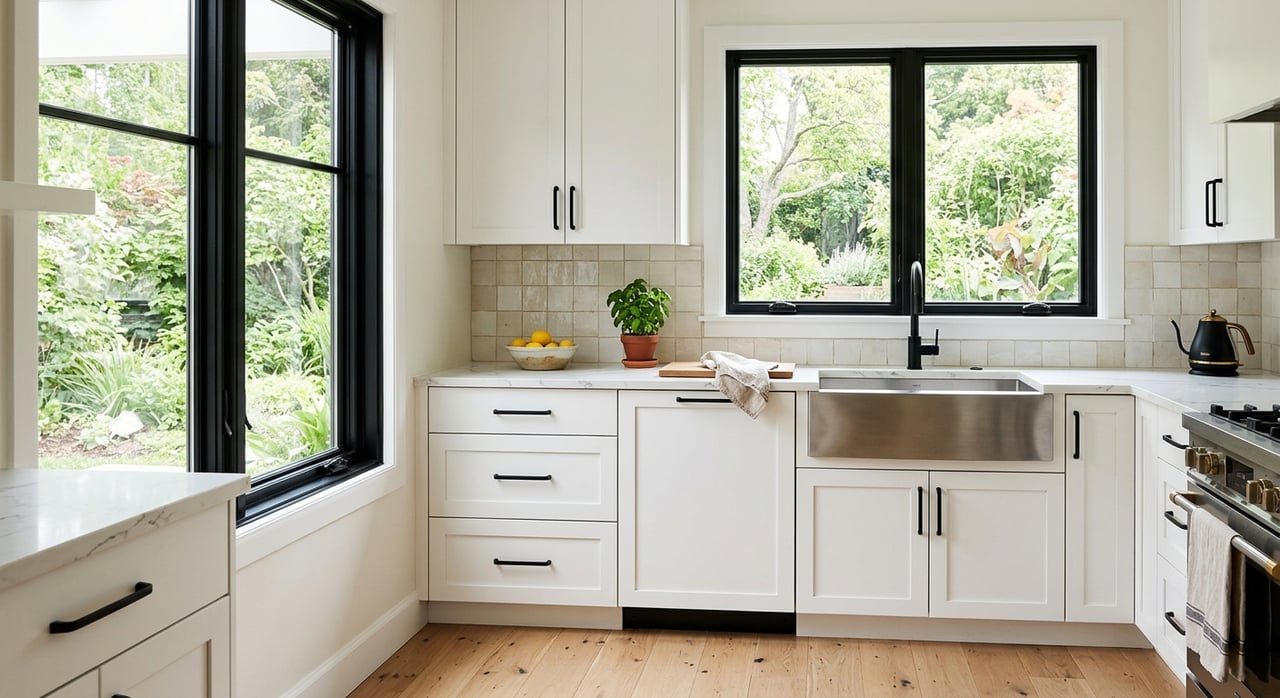
After systems, kitchens and baths usually deserve the most attention. Buyers notice them right away, and they are easy to compare from one listing to the next. If these rooms feel worn, dated, or inconsistent, they can make the whole home feel like a larger project.
The good news is that you often do not need a luxury overhaul to make an impact. Remodeling research shows strong demand for kitchen and bathroom improvements, and Pacific-region resale data suggests that a minor kitchen remodel and a midrange bath remodel tend to perform much better than upscale gut renovations before a sale.
For most older Palo Alto homes, a measured refresh makes more sense than a custom redesign. You may get better traction by focusing on:
- Replacing tired countertops or cabinet fronts where needed
- Updating lighting for a brighter, cleaner feel
- Repairing grout, caulk, and worn finishes
- Standardizing hardware and fixtures
- Addressing anything that looks visibly dated or poorly maintained
These are the details that help buyers feel the home has been thoughtfully prepared. In a selective market, that confidence matters.
Do not overlook curb appeal
Before buyers step inside, they are already making decisions about upkeep. Exterior condition shapes first impressions and can influence whether the home feels move-in ready or like a future maintenance list.
That is why curb appeal is often one of the smartest pre-sale investments. Remodeling research found that 92% of REALTORS® recommend improving curb appeal before listing, and 97% say it matters in attracting buyers.
For Pacific-region resale performance, garage-door replacement, steel front-door replacement, and fiber-cement siding replacement were among the strongest projects measured. You do not always need to complete all of those, but the takeaway is clear: visible exterior improvements can pull double duty by improving appearance and reducing buyer concern.
High-impact exterior updates
Depending on your timeline and condition, useful exterior work may include:
- Exterior paint or stain touch-ups
- Front door replacement or refinishing
- Garage door replacement
- Siding repairs
- Landscape cleanup and fresh mulch
- Walkway, porch, or entry refreshes
Simple improvements can make an older home feel more current and better maintained without changing its character.
Energy upgrades can help, but timing matters
Energy efficiency can be a strong supporting part of your renovation plan, especially when it improves comfort and reduces buyer friction. In California, the Energy Code applies to residential additions and alterations statewide, and the 2025 update took effect on January 1, 2026. The update emphasizes heat pumps, smarter HVAC controls, and better-performing exterior walls and windows.
In Palo Alto, green-building compliance also applies to residential renovation projects. So if you are considering HVAC replacement, window work, insulation, or envelope improvements, it is important to treat code compliance as part of the project from the start.
These upgrades often make the most sense when you have a longer runway before listing. They may not create the immediate visual impact of paint or a bath refresh, but they can strengthen comfort, reduce inspection concerns, and support a more polished overall presentation.
Projects that often underperform before a sale
One of the biggest mistakes sellers make is over-improving for their timeline. Large additions and high-end custom remodels may be worthwhile if you plan to stay for years, but they are often hard to justify when your main goal is resale.
Pacific-region Cost vs. Value data showed weaker returns for upscale major kitchen remodels, upscale bath remodels, bathroom additions, and primary-suite additions. Those projects can be expensive, disruptive, and slow, especially when a buyer may prefer to choose their own finishes anyway.
In Palo Alto, there is another layer of risk. If your project changes the exterior, you may need planning entitlement before a building permit. And if the property is historic or in a historic district, many exterior projects require additional review.
That is why pre-sale renovation should usually avoid:
- Major additions
- Luxury full-gut remodels
- Highly customized design choices
- Exterior changes started without permit review
- Historic-sensitive exterior work without confirmation of requirements
In many cases, the better move is to present a clean, functional, attractive home and let the next owner decide whether to pursue a larger transformation.
A practical renovation timeline for sellers
If you are deciding what to do and when, a phased plan can keep the process manageable.
Phase 1: First 30 days
Start with inspection-driven repairs and quick visual improvements. This is the foundation of a smart pre-listing plan.
Prioritize:
- Pre-listing inspection
- Roof, plumbing, electrical, HVAC, and water-heater fixes
- Drainage or exterior defect repairs
- Deep cleaning
- Fresh paint where needed
- Decluttering
- Light landscaping and entry cleanup
This phase usually gives you the clearest return because it addresses both buyer concerns and first impressions.
Phase 2: 30 to 90 days
If you have a little more time, move into high-visibility upgrades that do not require a major rebuild. This is often the sweet spot for sellers.
Consider:
- Minor kitchen refreshes
- Midrange bathroom updates
- Lighting upgrades
- Garage-door or front-door replacement
- Exterior paint or stain work
- Siding touch-ups
These projects tend to align best with strong resale data and buyer expectations in a fast but selective market.
Phase 3: 3 to 6 months or longer
With a longer timeline, you can evaluate deeper systems and energy work. This is the phase where planning matters most.
You may consider:
- HVAC replacement
- Water-heater replacement
- Window upgrades
- Insulation improvements
- Other envelope-related work
Before moving ahead, check permit history, confirm whether the home has historic considerations, and make sure the project follows the correct city process.
Palo Alto checks to make before renovating
Older Palo Alto homes often come with a paper trail that matters almost as much as the work itself. Before you commit to any meaningful renovation, it helps to confirm the city-side details first.
Use this checklist:
- Review the property’s permit history and parcel report
- Confirm whether the home is a historic resource or in a historic district
- Check whether exterior changes need planning entitlement before a building permit
- Match the project to the correct permit path
- Build energy-code and green-building compliance into the scope early
This extra step can save time, prevent surprises, and help you focus your budget where it will actually support your sale.
The smartest approach is usually selective
For most older Palo Alto homes, the strongest pre-listing plan is not a dramatic transformation. It is a focused combination of inspection-based repairs, modest kitchen and bath refreshes, curb appeal work, and careful permit diligence.
That approach fits both the local market and the realities of older housing stock. Buyers still pay attention to presentation, but they also want reassurance that the home’s major systems and visible condition have been handled responsibly.
If you are weighing which improvements are worth it before listing, a local strategy matters. The right plan depends on your home’s condition, your timeline, and how buyers are likely to compare it with nearby inventory. If you want tailored guidance on preparing your Palo Alto home for sale, Suzanne O'brien can help you map out the smartest next steps.
FAQs
What renovations matter most before selling an older Palo Alto home?
- The highest-priority updates are usually inspection-related repairs such as roof, plumbing, electrical, HVAC, water-heater, drainage, and visible exterior issues, followed by modest kitchen, bath, and curb appeal improvements.
Are major remodels worth it before listing a Palo Alto home?
- Usually not if you plan to sell soon. Large additions and upscale custom remodels often recover less of their cost and can create timing and permit risks.
Do Palo Alto kitchen and bath remodels need permits?
- Some kitchen and bath remodels may follow simpler permit paths if they stay within the existing footprint and avoid structural changes, but you should confirm the specific project path with the city before starting work.
Should sellers check historic status before exterior renovations in Palo Alto?
- Yes. If your home is a historic resource or located in a historic district, many exterior changes may require review, and exterior work may also need planning entitlement before a building permit.
Are energy upgrades useful before selling a Palo Alto home?
- They can be, especially when they improve comfort, reduce buyer objections, and align with California energy code and Palo Alto green-building requirements.
How long before listing should you start renovations on an older Palo Alto home?
- A practical window is 30 to 90 days for repairs and visible refreshes, while deeper systems or energy projects may need 3 to 6 months or more depending on permits and scope.