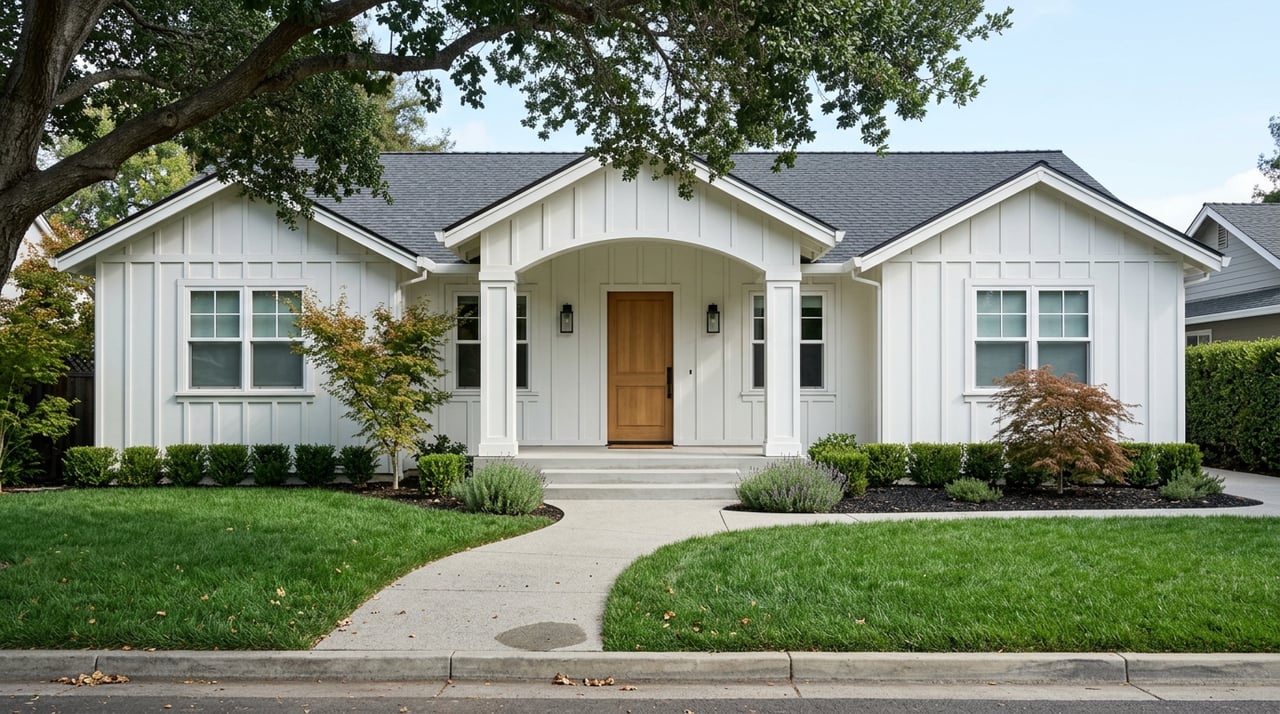
Looking for a calm street in Palo Alto where you can bike to parks, walk to coffee, and still feel tucked away? You are not alone. Many families want quieter blocks without giving up strong schools, nearby playgrounds, and practical access to Caltrain and shops. In this guide, you will see where that balance works best in Palo Alto, what “quiet” really looks like at the block level, and how to choose a home that fits your daily routine. Let’s dive in.
What “quiet” really means here
Quiet in Palo Alto tends to come from design, not distance. Look for cul-de-sacs, circular street plans, and limited entry points that reduce through-traffic. Neighborhoods planned with these traits often feel calmer throughout the day. Local reporting has documented how measures like narrow, lane-like streets and selective closures help preserve a residential feel in areas such as Southgate. You can see that context in a neighborhood snapshot from Palo Alto Online that explains Southgate’s traffic calming and village feel.
Mature tree canopy and nearby parks add to that sense of calm. Families who value weekend playtime often zero in on areas with direct access to Rinconada Park, Mitchell Park and the Magical Bridge playground, and the city’s larger open spaces.
Transit and shopping also matter. Living near the two Palo Alto Caltrain stations increases convenience for work and errands, though streets right by the stations can be busier during commute windows. The main Palo Alto Caltrain station is near University Avenue, and many quieter pockets sit a short bike ride away rather than immediately next door.
Quieter neighborhoods to consider
Crescent Park
Crescent Park is a leafy, close-to-downtown neighborhood known for wide, tree-lined streets and larger lots. Fewer arterial roads cut through the interior, which helps reduce pass-through traffic. Families like the quick access to Eleanor Pardee Park and the easy bike to Rinconada Park, the Junior Museum & Zoo, and downtown shops. For history, street character, and why it feels calmer on the ground, see this Crescent Park neighborhood profile.
Typical homes range from historic Craftsman and Tudor to updated luxury rebuilds, often on lots that are larger than the city median. Pricing is consistently at the top of the Palo Alto market, so buyers should review very recent block-by-block comparables when evaluating options.
Old Palo Alto
Old Palo Alto offers quiet, low-traffic streets with a high concentration of historic and architect-designed homes. The neighborhood reads as residential at almost every corner, with an established tree canopy and a central location that keeps you close to parks, downtown, and the University Avenue corridor.
If schools are part of your decision, remember that Palo Alto Unified School District (PAUSD) assignments are address specific. Always verify your exact address using the district’s resources at PAUSD. Homes and lots here are often larger, and prices typically sit at the top end of the city’s range.
Professorville
Professorville is a registered historic district established by early Stanford faculty, and it has a calm, walkable feel thanks to small-block streets, historic scale, and mature trees. You can stroll to University Avenue, parks, and the main Caltrain station while still living on a quieter residential block. Learn more about the area’s historic character from the National Park Service listing for Professorville.
Homes tend to be late 19th and early 20th century styles, including Craftsman and Colonial Revival, on modest to medium lots. Expect competitive pricing driven by the location, historic cachet, and proximity to downtown.
Southgate
Southgate is a compact enclave adjacent to Stanford and Palo Alto High that many residents describe as village-like. Limited entry points, narrow lanes, and pedestrian cut-throughs discourage outside traffic and support a neighborly pace. For a clear look at how street design supports calm here, see this Southgate neighborhood snapshot.
Families appreciate quick access to Peers Park, California Avenue businesses, and both the University Avenue and California Avenue transit corridors. Homes range from 1920s bungalows to updated ranches on modest to medium lots. Values vary street by street, so lean on very recent comps when deciding.
Greenmeadow, Fairmeadow, and Meadow Park (Eichler cluster)
If you want single-story, indoor-outdoor living on very quiet, kid-friendly streets, this south Palo Alto cluster is a standout. Many tracts here were designed with circles and cul-de-sacs to reduce traffic, and some have community pools and active associations. For how design choices shape daily quiet, the city’s Eichler Neighborhood Design Guidelines are a helpful reference.
Palo Alto Online has covered how these circular street plans support family life and neighborhood calm. You can see that context in this piece on south-Palo Alto’s circular tracts: Circling toward home. Homes are classic Joseph Eichler mid-century designs, usually single-story on modest to medium lots. Several areas have single-story overlay zoning, which helps preserve the low profile and reduces the likelihood of two-story rebuilds next door.
Duveneck / Green Gables
North of University Avenue, Duveneck and Green Gables offer quiet, tree-lined interior streets with excellent access to Rinconada Park, the Junior Museum & Zoo, and the Lucie Stern Community Center. Many families target this area for its residential feel and quick reach to downtown amenities.
Housing here includes mid-century ranch and Eichler-era homes on medium lots, plus a growing number of tasteful remodels. School assignments are through PAUSD and vary by exact address, so confirm details at PAUSD.
Barron Park
On the southwest side, Barron Park draws families who want a quieter, more suburban feel and often larger lots than many central neighborhoods. The neighborhood’s identity centers on Bol Park and nearby paths, which create everyday outdoor options without getting in the car.
Interior streets see less cut-through traffic than nearby arterials, and there is a strong sense of community engagement. Pricing tends to sit below the highest north Palo Alto medians yet remains high by national standards. As of early 2026, neighborhood snapshots placed recent medians in the low to mid 3 million range, which varies by block, lot size, and updates.
Parks and weekend access
Access to parks is a big quality-of-life factor for many families. Mitchell Park’s Magical Bridge Playground is a major draw for inclusive play. On weekends, many residents head to the foothills to hike and explore. You can review access and visitor details for the Foothills Nature Preserve to plan family outings.
Schools and boundaries: confirm by address
PAUSD manages public school assignments. While neighborhood names often line up with common feeder patterns, exact placement depends on your specific address and can change over time. Always confirm your prospective home’s assignment using district resources at PAUSD.
If a particular elementary or middle school matters to you, make verification part of your offer diligence. Ask your agent to check any pending boundary updates, choice programs, or enrollment shifts that could affect the year you plan to move.
Budget and timing: what to expect
Palo Alto is a high-demand market with limited single-family inventory, and medians move with sales mix and season. Citywide medians in mid 2025 through early 2026 commonly trended in the low to mid 3 million range. The highest pricing typically appears in Crescent Park, Old Palo Alto, and other north-of-Midtown pockets. Many Eichler tracts in south Palo Alto often trade at the mid range for the city, with final prices driven by lot size, floor plan, and level of remodel.
For a confident budget view, look at the most recent six months of comparable sales on the same side of major corridors. Note proximity to arterials like El Camino Real or Oregon Expressway, and check for rail or highway noise before you write an offer.
Quick search checklist for family buyers
- Verify the exact PAUSD school assignment for the property address at PAUSD.
- Walk the street at different times to see traffic patterns and sound levels.
- Check street type: cul-de-sac, circle, or through-street, and look for traffic calming.
- If the home is in an Eichler or historic area, review the city’s Eichler Design Guidelines and ask about any overlay zones.
- Confirm Caltrain proximity and your commute options by reviewing Palo Alto station details.
- Pull very recent, block-level comps and note lot size, setbacks, and remodel scope.
Choosing your quiet corner
The right Palo Alto block will feel calm the moment you turn onto the street. Focus on street layout, park access, school verification, and a commute that fits your family rhythm. Then test the fit by visiting morning, afternoon, and evening to see how it feels at school drop-off, dinner time, and on a Saturday.
If you want help narrowing to the blocks that match your must-haves, reach out. With deep neighborhood knowledge and a family-first approach, Suzanne O'Brien can guide you to the quieter corner that fits both your lifestyle and long-term goals.
FAQs
What makes a Palo Alto neighborhood feel quieter for families?
- Calmer blocks usually have cul-de-sacs or circular plans, limited entry points, mature trees, and park access, which together reduce through-traffic and create a more residential pace.
How do I verify my child’s public school in Palo Alto?
- School assignments are address specific; use district resources at PAUSD to confirm the exact elementary, middle, and high school for your property.
Which areas have single-story overlays or design rules?
- Several Eichler tracts in south Palo Alto have single-story overlays and design guidelines; review the city’s Eichler Design Guidelines and confirm details with Planning.
How close are quieter neighborhoods to Caltrain and shops?
- Many calm pockets sit a short bike ride from University Avenue or California Avenue. The Palo Alto Caltrain station anchors the downtown area, but the quietest blocks are usually a few streets away.
What price range should I expect as of early 2026?
- City medians often landed in the low to mid 3 million range, with north Palo Alto at the top end and many south Palo Alto Eichler tracts in the mid range; always check the latest block-level comps.