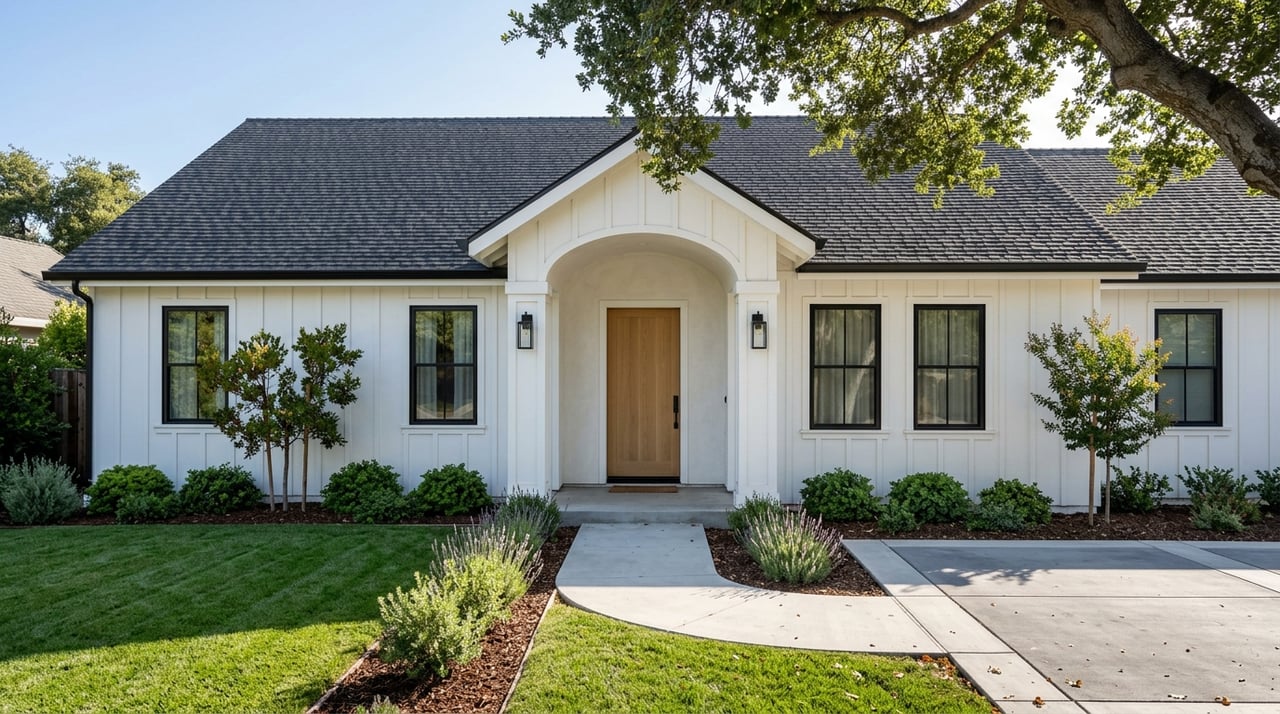
If Palo Alto has ever felt hard to pin down, you are not imagining it. One part of the city can feel urban and transit-oriented, while another reads as quiet, established, and distinctly residential. If you are trying to figure out where your lifestyle fits, understanding Palo Alto’s neighborhood styles and housing mix can make your search much clearer. Let’s dive in.
Why Palo Alto Feels So Varied
Palo Alto includes more than 30 neighborhoods, and city materials note that each has its own distinct style and flair. Across the city, you will see a mix of residential streets, business districts, parks, trails, libraries, historic buildings, and tree-lined blocks.
That variety shows up in the housing stock too. According to the City of Palo Alto’s 2023-2031 Housing Element, 56.6% of housing units are detached single-family homes, 4.2% are attached single-family, 6.6% are in 2-to-4-unit buildings, 32.3% are in 5-plus-unit buildings, and 0.3% are mobile homes.
In other words, detached homes still lead the market, but multifamily housing is a meaningful part of the city. That is one reason the housing options can change quickly from one block to the next.
Palo Alto’s Housing Ages Matter
A large share of Palo Alto homes were built decades ago, which helps explain the city’s layered look and feel. The city reports that the median year a Palo Alto home was built was 1955, and about 47% of the housing stock was built before 1960.
More than half of the city’s housing is now over 50 years old. You will often find older homes that have been renovated sitting near newer infill housing, especially in established residential areas.
This age mix also shapes architecture. City historic-survey materials identify styles such as Craftsman, Prairie, Colonial Revival, Mission Revival, Spanish Colonial Revival, Tudor Revival, Queen Anne, and Streamline Modern.
Downtown-Adjacent Housing Options
If you want a more walkable, mixed-use setting, downtown-adjacent Palo Alto is usually the strongest fit. The city describes downtown as blending small-town charm with urban amenities, including restaurants, coffee shops, theaters, art galleries, and locally owned retail.
Transit access is part of that appeal. Palo Alto’s transit information notes two Caltrain stops in the city: the downtown Palo Alto station and the California Avenue station.
From a housing perspective, these areas tend to include a broader mix of apartments, condos, mixed-use buildings, and older single-family homes on smaller urban lots. The city’s Housing Element also says many opportunity sites for new multifamily and mixed-use development are concentrated in Downtown and near the California Avenue station.
What to Expect Near Downtown
The biggest tradeoff in downtown-adjacent areas is usually convenience versus a quieter residential feel. You may gain easier access to shops, dining, and transit, but the housing pattern is often denser and more varied.
For some buyers, that is exactly the goal. For others, it helps clarify that they would rather focus on lower-density residential pockets elsewhere in the city.
Professorville’s Historic Character
Professorville is one of the clearest official examples of an early downtown-adjacent residential district. The city describes it as an early residential neighborhood associated with the first generation of university faculty.
Its housing styles include Victorian, Craftsman, Prairie, Period Revival, and Exotic Revival. City design guidelines note that by the 1920s much of Professorville had been built out with single-family homes, while the eastern half retained grander homes on expansive lots.
Ramona Street’s Urban Fabric
Ramona Street reflects the commercial side of Palo Alto’s historic core. A city environmental addendum describes it as a district with contemporary and historic one- to four-story structures that include commercial, office, and restaurant uses.
The same city description highlights tree-lined streets, historic facades, and red terra cotta-style shingled roofs. If you are drawn to a more urban setting with older architectural detail, this is an important part of Palo Alto’s story.
Quieter Residential Areas
If you prefer neighborhood-scale streets and a more residential setting, Palo Alto offers several areas that feel calmer and more suburban in pattern. These neighborhoods often appeal to buyers who want more detached housing and less mixed-use activity nearby.
City materials point to places like Crescent Park and Southgate as useful examples of this side of Palo Alto. They help illustrate how different the city can feel once you move away from the main mixed-use anchors.
Crescent Park at a Glance
The city’s historic survey summary describes Crescent Park as a 1920s-1930s historic upper-middle-class neighborhood developed for automobile owners. It notes mixed lot sizes, varied house types, and multiple architectural styles, with several master architects represented.
That mix can make Crescent Park especially appealing if you want an established residential setting without a one-style-fits-all housing stock. City parking policies in the area also reflect local concerns about outside parking pressure and cut-through traffic.
Southgate’s Residential Pattern
Southgate is another strong example of a quieter residential pocket. The city characterizes it as a 1923-1950s historic neighborhood developed for automobile owners, with stucco-clad houses and a mix of period revival, ranch, and modern styles.
For buyers comparing Palo Alto neighborhoods, Southgate helps show what a more suburban street pattern can look like within the city. It offers a different feel from downtown-adjacent areas without leaving Palo Alto altogether.
Postwar and Mid-Century Options
Not every Palo Alto home fits an early historic style. The city also has postwar and mid-century neighborhoods that can feel more streamlined, more car-oriented, or more modern in design.
If you are specifically searching for ranch, minimal traditional, or mid-century influences, this part of Palo Alto deserves a closer look. It adds another layer to the city’s wide housing mix.
Coastland Subdivision’s Postwar Style
The Coastland Subdivision shows Palo Alto’s early postwar tract-housing side. The city’s survey summary describes it as a 1947 single-developer, mass-produced suburban tract with minimal traditional style and a curvilinear street pattern.
This is useful if you are comparing prewar neighborhoods with postwar residential pockets. The layout and housing rhythm can feel quite different from older grid-pattern areas near downtown.
Green Gables and Greenmeadow
For mid-century design, city historic materials point most clearly to Green Gables and Greenmeadow. The city lists Green Gables with a 1950 period of significance and Greenmeadow with a 1945-1955 period of significance.
City Eichler neighborhood design guidelines also place these districts within Palo Alto’s mid-century modern story. If you are looking for that era’s design language, these areas are key reference points.
Larger-Lot and Established Areas
Some buyers are focused less on walkability and more on separation between homes, mature surroundings, and established residential character. In Palo Alto, official city materials most clearly document that larger-lot or more estate-like feel in parts of Professorville and older residential areas north of downtown.
The city’s survey summary for Hamilton-University Avenues describes it as a historic upscale residential neighborhood with large residences, often Tudor Revival and English vernacular in character. That gives helpful context if you are drawn to older homes with a more substantial presence.
Old Palo Alto also belongs in this conversation, but with careful wording. City materials support describing it as an established older residential area with historic roots and significant tree canopy.
The Main Tradeoff to Keep in Mind
When you compare Palo Alto neighborhood styles, the biggest decision is often not old versus new. It is usually walkability and mixed-use convenience versus quieter residential streets and, in many cases, more detached single-family housing.
Downtown and California Avenue are the clearest transit and mixed-use anchors in the city. Crescent Park and Southgate are stronger examples of neighborhood-scale residential character.
That does not mean one is better than the other. It simply means your best fit depends on how you want to live day to day, how much architectural variety you want, and what type of housing stock feels right to you.
How to Narrow Your Search
If you are beginning your Palo Alto home search, start by identifying which of these factors matters most:
- Proximity to downtown, California Avenue, or Caltrain
- Preference for detached homes versus condos or apartments
- Interest in historic architecture versus postwar or mid-century design
- Desire for a denser, urban-feeling environment versus quieter residential streets
- Comfort with older housing stock that may have been renovated over time
Once those priorities are clear, Palo Alto becomes easier to read. Instead of seeing one expensive, hard-to-define market, you begin to see several distinct housing experiences within one city.
If you want help sorting through Palo Alto’s neighborhood differences and matching them to your goals, Suzanne O'brien offers thoughtful, high-touch guidance grounded in local market knowledge.
FAQs
What types of housing are most common in Palo Alto?
- Detached single-family homes make up the largest share at 56.6%, but multifamily housing is also significant, including 32.3% of units in 5-plus-unit buildings.
What is the difference between downtown Palo Alto and quieter residential areas?
- Downtown-adjacent areas generally offer more walkability, mixed-use buildings, and transit access, while quieter residential areas often have more neighborhood-scale streets and more detached single-family housing.
Where can you find older historic homes in Palo Alto?
- City historic materials point to Professorville, Ramona Street, and the Downtown/North Palo Alto early-development area as some of the strongest concentrations of early housing and commercial fabric.
Which Palo Alto areas reflect mid-century design?
- Green Gables and Greenmeadow are the clearest city-documented examples tied to Palo Alto’s mid-century modern story.
Are there postwar tract-style neighborhoods in Palo Alto?
- Yes. The Coastland Subdivision is identified by the city as a 1947 early postwar residential development with minimal traditional style and a curvilinear street pattern.
Why do Palo Alto neighborhoods feel so different from each other?
- Palo Alto has more than 30 neighborhoods, a wide mix of housing types, and a large share of older homes built across different eras, which creates distinct neighborhood character from one area to another.