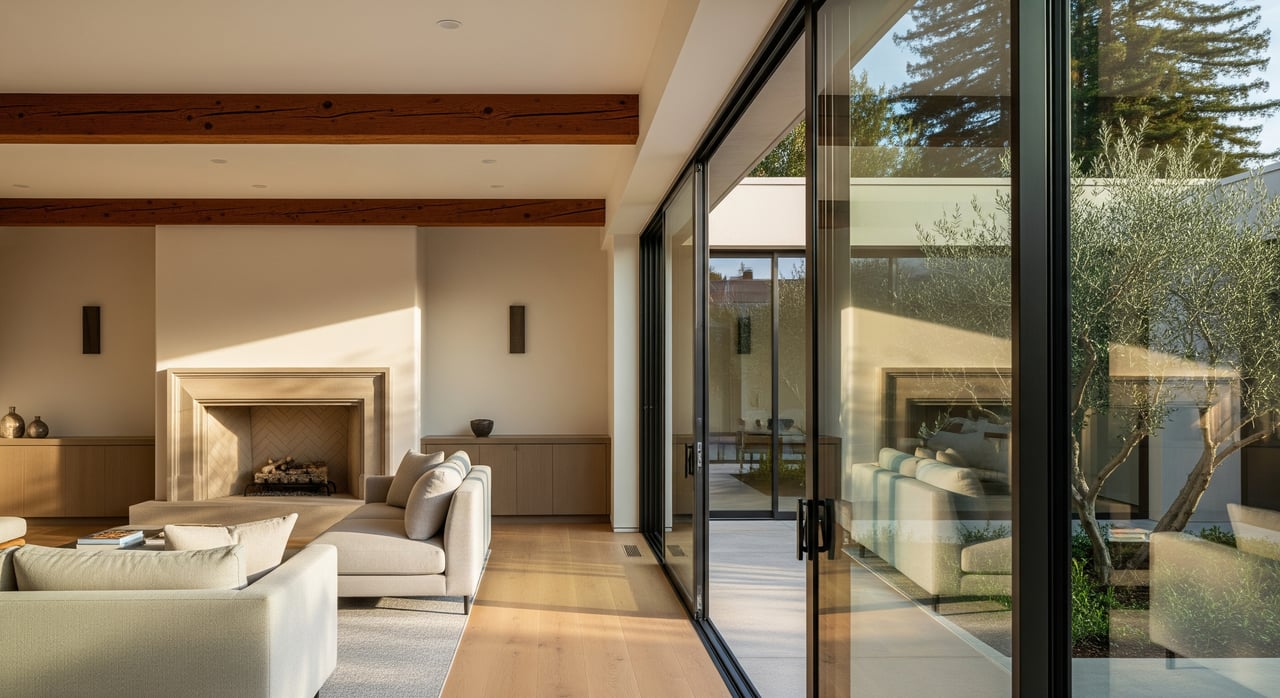
Trying to decide between a brand‑new build and a thoughtfully remodeled home in Palo Alto? You are not alone. In a market this competitive, the right choice can shape your daily life, budget, and long‑term value. This guide breaks down the rules, costs, and practical tradeoffs so you can buy with confidence and avoid costly surprises. Let’s dive in.
Palo Alto rules and permits
Before you fall in love with finishes, confirm the paperwork. In Palo Alto, permit history and final approvals drive value, financing, insurability, and safety. Ask for complete building permit records, final inspection signoffs, and a Certificate of Occupancy for any new construction.
Zoning rules set what is possible on a lot. Check residential setbacks, height limits, lot coverage, and any Floor Area Ratio caps. If you plan future changes, verify what can be rebuilt and how large. Tree protections and potential design review can affect timelines and what is allowed during demolition or reconstruction.
California building and energy codes apply in Palo Alto. Title 24 and CALGreen guide insulation, ventilation, and equipment. New single‑family homes are expected to meet solar and higher efficiency requirements. Palo Alto may also adopt local reach codes that encourage or require electrification readiness, EV charging infrastructure, and heat pump solutions. Because rules update over time, confirm the specific standards the home had to meet when it was permitted.
Lenders and title companies usually require proof that work was permitted and finalized. Missing inspections or open permits can delay closing or trigger lender conditions. Make permit verification a standard part of your offer due diligence.
New build advantages and tradeoffs
Layout and design flexibility
A new build lets you benefit from today’s space planning. You are more likely to see open kitchens with ample storage, flexible work spaces, taller ceilings, and indoor‑outdoor flow. If the property includes an ADU or is designed to integrate one, that has usually been planned from the start for access, privacy, and utilities.
Older homes can be charming but may have tight hallways, small bedrooms, or fragmented living areas. Correcting those issues in a remodel can require structural changes to foundations and load‑bearing walls. New construction avoids many of those constraints by starting fresh within the zoning envelope.
Energy performance and electrification
New homes must meet current Title 24 energy standards, which have tightened in recent cycles. That typically means better insulation and air sealing, high‑performance windows, and ventilation that supports healthy indoor air. You will often see solar PV and high‑efficiency heat pumps for space and water heating, or at least electrification readiness.
Remodels may not be required to upgrade the entire home to current standards. The scope of work determines which systems must be brought to code. That can leave parts of a remodeled home on older, less efficient equipment unless the project triggered comprehensive updates.
Warranties and documentation
With a new build, you can expect builder and manufacturer warranties on major systems, finishes, and appliances. The exact coverage varies, so verify terms and what transfers at resale. Documentation typically includes energy compliance forms, inspection signoffs, soils and engineering reports, and final approvals.
Remodeled homes may have warranties tied to the contractor’s agreement and product manufacturers. Quality varies by contractor. Confirm that the work was done by licensed, bonded, and insured professionals and that permits were finalized.
Timelines and approvals
Rebuilding or constructing new usually involves longer planning, neighborhood or design reviews in some cases, and more inspections. Expect more lead time for demolition permits, tree protection plans, utility coordination, and final occupancy.
Smaller remodels can be faster. However, once you open up walls in an older structure, hidden issues can surface. Dry rot, termite damage, or outdated wiring can expand scope and extend timelines.
Remodeled home advantages and tradeoffs
Cost and scope realities
A remodeled home can deliver great results without the full land‑use and rebuild process. If the prior owner focused on kitchens, baths, and cosmetic updates, you may get strong livability at a lower price than a brand‑new build. That said, major reconfigurations that change structure often cost more per finished square foot than building new.
Look for clear evidence of scope. Were there structural changes, second‑story additions, or foundation work? The more complex the remodel, the more important it is to confirm engineering approvals and final inspections.
Code triggers and systems
Remodels are governed by how much of the house is altered. Minor replacements may not require whole‑house upgrades. Larger additions or significant alterations can trigger code‑required improvements to insulation, mechanical systems, or electrical panels.
Because the requirements depend on scope and local interpretation, you should rely on written confirmation from the City for what applied to the project. This avoids assumptions about whether items like solar or heat pump systems were mandatory.
Character and constraints
Remodels can preserve the character of a street or an original architectural style. That can be a draw if you appreciate established neighborhoods. Just remember that original footprints and framing limit how far layout changes can go without costly structural work.
Also, as‑built conditions can surprise even careful contractors. If you are comparing two remodeled homes, the one with more thorough documentation and fewer unknowns typically carries less risk.
Documentation affects value
Appraisers and lenders weigh permits and workmanship heavily. Unpermitted additions or poorly documented work can lead to value discounts. In some cases, lenders will require remediation, escrow holdbacks, or may decline the loan altogether.
When a remodel is well documented, with final approvals and quality materials, it can compete well with new construction on value and livability.
Appraisals, taxes, and financing
How appraisers compare homes
In Palo Alto, appraisers rely on recent comparable sales. If there are few brand‑new comps, the appraiser may use the best available sales and adjust for age, condition, and features. For new construction, the cost to build can support value, but lenders still prioritize market evidence.
For remodeled homes, appraisers consider the quality of upgrades and remaining useful life of systems. They also review permit history. Non‑permitted work can result in negative adjustments or exclusion of that improvement’s value.
Property tax reassessment
California property taxes are sensitive to new construction and major improvements. A teardown and rebuild, or significant added square footage, typically triggers reassessment. Your annual property taxes can increase accordingly.
Routine repairs do not usually cause reassessment, but permitted additions or major upgrades may. If a home was recently completed or expanded, ask about the current assessed value and any pending reassessments with the County.
Lender, title, and insurance requirements
Lenders prefer properties with clean permit histories and final approvals. New builds usually require a Certificate of Occupancy, builder documentation, lien releases, and a final inspection. For remodeled homes, lenders may condition the loan on resolving open permits or verifying that work was permitted.
Insurers also look favorably on permitted, inspected work. Non‑permitted additions or older systems can complicate coverage or claims. Title companies may require that outstanding permits be resolved before closing.
Maintenance and lifecycle expectations
New homes start you at the beginning of most system lifecycles. Remodeled homes often combine new finishes with older infrastructure. Use these typical ranges to plan:
- Composition roof: 15 to 30 years
- Tile or metal roof: 30 to 50 plus years
- Tank water heater: about 10 to 15 years
- Tankless or heat pump water heater: 15 to 25 years
- HVAC systems: 10 to 20 years
- Windows: 20 to 40 years
- Solar PV modules: 25 plus years of output warranties; inverters often 10 to 15 years
- Major appliances: 7 to 15 years
If a remodeled home’s roof, HVAC, or water heater is already halfway through its lifecycle, budget for near‑term replacement. New builds may include longer manufacturer warranties and lower maintenance for the first several years.
Decision framework for your goals
Your best choice depends on how you weigh livability, ongoing costs, and timing. Use this quick framework:
- Layout and lifestyle: If you need modern flow, home office zones, and indoor‑outdoor interaction, a new build may fit better. If you value street character and are comfortable with some constraints, a remodel can work well.
- Energy and comfort: If low energy use and newer systems are priorities, a code‑compliant new build usually leads. A remodeled home’s performance depends on what the project triggered and replaced.
- Risk tolerance: Prefer predictable documentation and warranties? New construction has an edge. If you find a remodeled home with complete permits and high workmanship, you can still minimize risk.
- Timeline: Need to move soon? A completed remodel may be more available. New builds often have longer approval paths and closeout steps, even when construction is complete.
- Long‑term plans: If you plan to expand later, confirm zoning, setbacks, and maximum buildable area now. Some lots offer more flexibility than others.
Buyer due diligence checklist
Use this checklist for both new builds and remodeled homes:
- Permit records: Request full permit history and proof of final inspections. For new builds, confirm the Certificate of Occupancy or equivalent final approvals.
- Structural and systems inspections: Hire a licensed home inspector. For older homes or major modifications, add a structural engineer evaluation. Order pest and dry rot inspections.
- Energy and equipment documentation: Review Title 24 compliance forms and any HERS verifications for new construction. For solar, confirm ownership vs. lease, production records, and inverter warranty details.
- Electrical and EV readiness: Confirm panel size and whether EV charging is installed or the home is wired for it. Verify permits for any electrical upgrades.
- Zoning and future potential: Check setbacks, height limits, FAR, and ADU eligibility if you plan changes later. Confirm any neighborhood overlays or historic designations.
- Trees and site constraints: Verify whether protected or heritage trees affect development or maintenance plans.
- Sewer and utilities: Ask about any local sewer lateral requirements at point of sale or after permitted work and confirm compliance status.
- Warranties and contractor credentials: For new builds, gather builder and manufacturer warranties plus as‑built plans. For remodels, verify contractor licenses, insurance, contracts, and lien releases.
- Appraisal and financing: If you are financing, talk with your lender early about documentation needs. Non‑permitted work can delay or derail a loan.
- Property taxes: Ask about recent or pending reassessment following new construction or permitted additions. Confirm details with the County if needed.
When a new build makes sense
Choose new construction when you want the highest baseline energy performance, modern layout, and comprehensive warranties. In Palo Alto’s supply‑constrained market, truly new homes can command a premium when they match buyer preferences.
Expect higher upfront cost and more extensive approvals on the way to final occupancy. If documentation is complete and the design aligns with neighborhood standards, you can gain long‑term comfort and lower near‑term maintenance.
When a remodeled home makes sense
Choose a remodeled home when you value established neighborhoods and want to avoid the full rebuild process. You can often secure excellent livability if the scope focused on kitchens, baths, and systems where it counts most.
Confirm that major work was permitted and finalized. Price in the remaining lifecycle of older systems. A well‑executed remodel with complete records can offer strong value and faster move‑in timing.
Ready to compare specific homes and make a confident choice in Palo Alto? Reach out for tailored guidance and a step‑by‑step plan. Connect with Suzanne O'brien for a complimentary consultation.
FAQs
What permits should I verify in Palo Alto?
- Ask for complete permit history, final inspection signoffs, and a Certificate of Occupancy for new construction, plus engineering approvals for structural changes.
How do Title 24 codes affect my purchase?
- Title 24 sets energy standards that new builds must meet, often resulting in better insulation, windows, ventilation, solar, and heat pump readiness or equipment.
Will a rebuild change my Santa Clara County taxes?
- A teardown and new home or major permitted additions typically trigger reassessment, which can increase your annual property taxes.
How do lenders view unpermitted remodel work?
- Lenders may discount value, require escrow for remediation, or deny financing until work is permitted and finalized, so documentation is crucial.
What maintenance differs for new vs. remodeled homes?
- New builds start at the beginning of system lifecycles with possible warranties, while remodeled homes may mix new finishes with older roofs, HVAC, or water heaters.