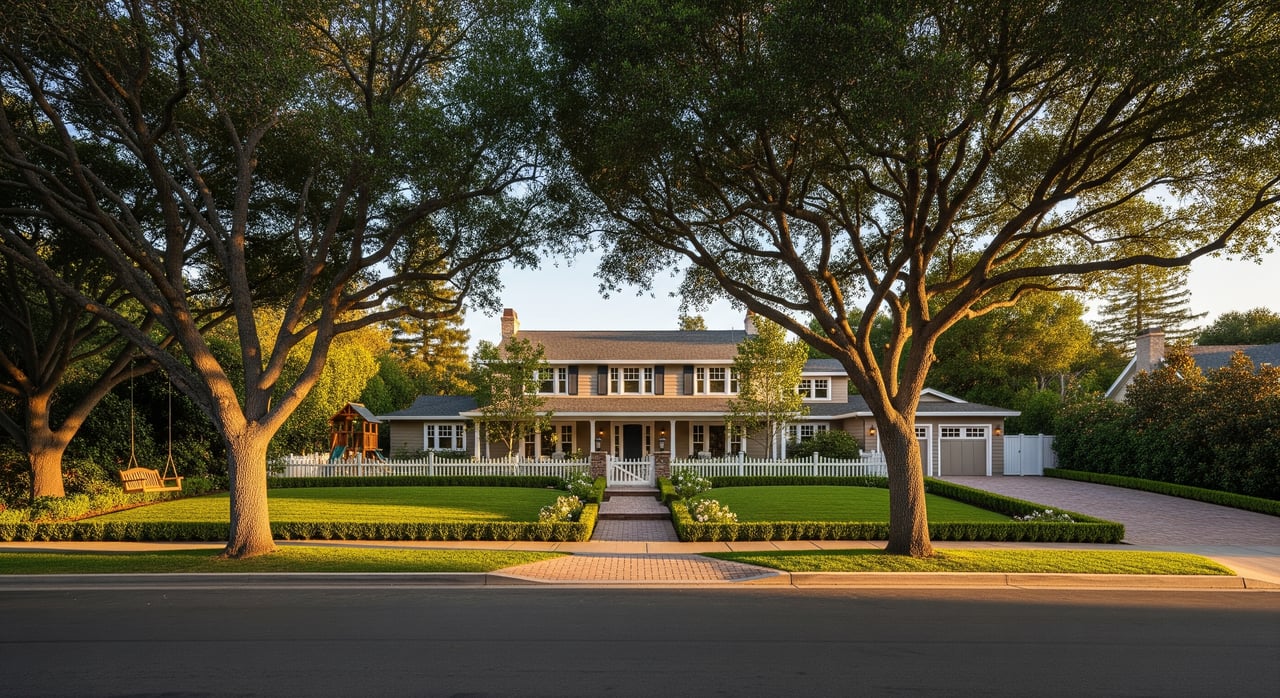
Thinking about Los Altos or Palo Alto for your next move and not sure which one fits your family best? You are not alone. Both cities are exceptional, and each offers a different daily rhythm, housing mix, and commute profile. This guide breaks down the practical differences so you can choose with confidence and focus your search where it counts. Let’s dive in.
Quick snapshot: Los Altos vs Palo Alto
Los Altos and Palo Alto rank among the Bay Area’s most competitive markets. The key differences come down to space, pace, and access.
- Choose Los Altos if you want larger lots, quieter streets, and a small, village-style downtown.
- Choose Palo Alto if you prioritize walkable urban amenities, direct Caltrain access, and shorter trips to Stanford and many north Peninsula job nodes.
- Expect high home prices in both cities. Palo Alto offers a wider mix of condos and townhomes that can provide a lower-cost entry point than single-family options in either city.
Housing types and price bands
Families often ask where they will find space for bedrooms, a home office, and outdoor play. The cities approach that goal differently.
What you will find
- Los Altos: Predominantly detached single-family homes. You will see mid-century ranches, remodeled properties, and high-end rebuilds. Condo and townhome options are limited.
- Palo Alto: A broader mix. Single-family homes sit alongside historic bungalows, cottages, condos, townhomes, and small multifamily buildings, especially near University Avenue, California Avenue, and transit corridors.
Budget and entry points
- Lower-cost entry: Condos and townhomes in Palo Alto are often the most affordable way into either city compared to most single-family options.
- Single-family options: Entry-level single-family homes in both cities are typically in the mid-to-high millions. Los Altos homes often carry a premium per lot due to larger lot sizes and residential zoning.
- Upsizing value: If you want more land for a pool or play structure, Los Altos often delivers more lot square footage per dollar. Palo Alto can match that in select upscale neighborhoods, though it varies by block.
Lot sizes and outdoor space
- Los Altos: Many lots fall in the 8,000 to 20,000 plus square foot range, often with mature trees, private yard space, and layouts that center backyard living.
- Palo Alto: Lot sizes vary widely. Many neighborhoods offer 5,000 to 10,000 square foot lots, with larger parcels in areas like Old Palo Alto or Crescent Park. Yards can be smaller in denser districts.
Renovation, ADUs, and rebuilds
Both cities follow California law on ADUs, but design review, tree protection, and neighborhood standards can affect timelines and costs. Palo Alto shows more emphasis on adding ADUs and infill in certain zones. Los Altos prioritizes preserving a single-family character. If you plan a major remodel or rebuild, factor in lot coverage, setbacks, and design review when budgeting and timing.
Downtown feel and amenities
Daily life depends as much on where you run errands and relax as it does on your house.
Los Altos downtown
The core around State Street brings a low-rise, village-style atmosphere with boutique shops, family-friendly restaurants, and local services. It is easy to stroll the blocks and enjoy a quieter pace, especially in the evenings. Many families appreciate the small-town energy and convenient parking.
Palo Alto downtowns
Palo Alto has two major hubs. University Avenue is denser and more urban, packed with restaurants, retail, and services that draw locals, Stanford visitors, and the broader community. California Avenue offers a lively but neighborhood-scale scene with a Caltrain station and a weekly farmers market. Expect more nightlife, foot traffic, and parking demand compared to Los Altos.
Everyday errands and services
Both cities offer strong grocery options, pediatric care, dentists, and family boutiques. You will also find farmers markets in each. Childcare and youth classes are widely available in the region, but waitlists can be common, so plan ahead.
Culture and community resources
- Palo Alto: Access to Stanford’s cultural institutions, the Palo Alto Art Center, and robust library and community education programs.
- Los Altos: The Los Altos History Museum, a close-knit calendar of local arts, summer concerts, and family events centered near the downtown plaza.
Parks and outdoor time
Outdoor access is a major quality-of-life driver for many buyers. Here is how they compare.
Palo Alto highlights
- Stanford Dish trails: Popular for hiking and scenic views.
- Baylands Nature Preserve: Expansive marshlands and easy, family-friendly trails with birding.
- Foothills Park: A large municipal park with significant natural open space. Note that it operates with resident-focused access rules. Day-pass rules can apply for nonresidents, so it pays to check policies if frequent access is important to you.
Los Altos highlights
- Redwood Grove Nature Preserve: A shaded, convenient nature trail close to downtown.
- Foothill preserves nearby: Easy access to open spaces in neighboring Los Altos Hills and the Santa Cruz Mountains for hiking.
- Neighborhood parks: Playgrounds and community parks are spread throughout the city.
Park access notes
Palo Alto’s Foothills Park is municipally operated and known for its residency and permit guidelines. If regular access to this park matters to your family routine, weigh that in your decision. Los Altos residents enjoy excellent local parks and nearby regional preserves, though some destinations are in neighboring jurisdictions that require short drive times.
Youth sports and activities
Both cities support a full menu of youth leagues and programs, from soccer and baseball to swim and gymnastics. Demand is strong, so early enrollment is a smart move.
Commute routes and transit
Your work locations and transit needs may tip the scale.
Where you work
- Palo Alto sits slightly north of Los Altos, often shortening commutes to Stanford and north Peninsula hubs like Menlo Park.
- Los Altos can be equally or more convenient for central and southern Silicon Valley employers in Mountain View and Sunnyvale, depending on the neighborhood and time of day.
Caltrain and buses
- Palo Alto: Two Caltrain stations, with the main station centrally located and a second at California Avenue. If you rely on Caltrain daily, living in Palo Alto can mean a shorter walk or bike ride.
- Los Altos: No station within city limits. Residents often use nearby stations in Mountain View, Sunnyvale, or Palo Alto. VTA buses serve local connections.
Driving patterns and parking
US 101 and I 280 are your primary north-south corridors, with Foothill Expressway and El Camino Real as key surface routes. Downtown Palo Alto sees heavier traffic and more structured parking rules. Los Altos has easier village-style parking, though residential street rules still apply.
Zoning and resale notes
Local policy shapes what gets built and how homes trade over time.
Density and development
- Los Altos: Strong single-family zoning and a focus on maintaining a residential village feel. Multifamily options are limited.
- Palo Alto: More varied zoning with designated higher-density and transit-oriented areas. Infill and multifamily development appear along major corridors.
Resale dynamics
Both cities have historically strong demand and limited supply. In Los Altos, lot size and private outdoor amenities tend to drive value. In Palo Alto, proximity to transit, downtown, and notable neighborhoods often has an outsized impact on pricing and market speed.
Permits and timelines
Expect design review and permit requirements in both cities, including tree protection and setback rules. Timelines can stretch with neighborhood input and design revisions, so factor that into any renovation or rebuild plan.
Step-by-step decision framework
If you are choosing between the two, use this simple checklist to gain clarity.
Core lifestyle questions
- How important is a large, private yard for play, gardening, or a pool?
- If very important, lean toward Los Altos.
- Do you want short, walkable access to a bustling downtown and transit?
- If very important, lean toward Palo Alto.
- Where are your primary commute destinations?
- Stanford or north Peninsula hubs often favor Palo Alto.
- Mountain View or central Silicon Valley can favor Los Altos.
- Do you need a lower-cost entry point within city limits?
- Consider condos and townhomes in Palo Alto.
Budget and space trade-offs
As a rule of thumb, the same budget tends to buy more lot size in Los Altos and more walkable amenities in Palo Alto. Both cities offer exceptions by block and micro-neighborhood, so preview several options side by side.
Neighborhood visit checklist
- Visit at rush hour and on weekend mornings to feel traffic, noise, and parking.
- Confirm lot size, yard orientation, and privacy from neighboring homes.
- Map your typical commute using live tools to test different routes and times.
- Review city planning guidance if you are considering an ADU or expansion.
- Check access to favorite parks and note any residency restrictions.
- Compare recent local sales to gauge how your target homes are trading.
Which city fits your family?
If your top priority is space to spread out, a quiet street, and a backyard that doubles as a play zone, Los Altos is a natural fit. If you are energized by walkable dining, a lively downtown, and shorter trips to Stanford or Caltrain, Palo Alto puts those amenities at your doorstep. Many families find clarity by touring both on the same day and picturing a typical Tuesday and a typical Saturday in each.
If you would like a guided comparison, private previews, or a curated on-market and off-market search, connect with Suzanne O'brien for hyper-local advice and a tailored plan. Request a complimentary home valuation and market consultation to move forward with confidence.
FAQs
How do lot sizes compare between Los Altos and Palo Alto?
- Los Altos typically offers larger lots, often 8,000 to 20,000 plus square feet, while many Palo Alto lots range from 5,000 to 10,000 square feet with larger parcels in select neighborhoods.
Is Palo Alto better for Caltrain and transit access?
- Yes, Palo Alto has two Caltrain stations and more transit-oriented areas, while Los Altos residents usually use nearby stations in Mountain View, Sunnyvale, or Palo Alto.
Which downtown is more family-friendly for daily life?
- Both are family-friendly but different: Los Altos feels like a quiet village, while Palo Alto offers more restaurants, nightlife, and activity near University Avenue and California Avenue.
Where will I find a lower-cost entry point into these cities?
- Condos and townhomes in Palo Alto are generally the most affordable entry compared to single-family options in either city, while Los Altos has fewer multifamily choices.
What should I know about park access in Palo Alto?
- Foothills Park is a major open-space asset with resident-focused access rules, and day-pass policies can apply for nonresidents, so factor that into your decision if frequent visits are important.